

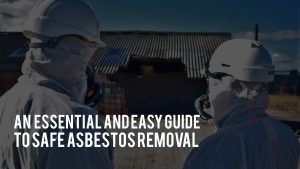
An invisible threat could be lurking in your home, especially if it was built before the 1980s.
You might not see it, taste it, or smell it, but its presence poses a significant danger to your family’s health. We’re talking about asbestos, a material once widely praised for its durability and fire resistance.
Today, we know the truth: disturbing it can release microscopic fibers, leading to severe and often fatal illnesses years down the line. That’s why understanding asbestos removal isn’t just important; it’s absolutely essential for your peace of mind and safety.
This article offers you an essential and easy guide to safe asbestos removal. We’ll walk you through what asbestos is, why it’s so dangerous, and the crucial steps you need to take if you suspect its presence. Our goal is to demystify the process and equip you with the knowledge to make informed decisions. After all, when it comes to asbestos, your family’s health is simply non-negotiable.
Asbestos and Its Dangers
You might hear a lot about asbestos, but what exactly is this material that causes so much concern? It’s a naturally occurring fibrous mineral, prized for decades because it wouldn’t burn, resisted corrosion, and added strength to building materials. For many years, people didn’t know the full extent of its dangers. Now, you should realize it poses a serious threat to anyone who disturbs it.
- Think about your insulation around pipes and boilers; often, it was asbestos. What about those textured popcorn ceilings, or the old vinyl floor tiles? Many contained asbestos. You might also find it in roofing shingles, siding, and even some older glues and mastics used for flooring.
- The real danger with asbestos comes when its fibers are released into the air. This happens when materials containing it are disturbed, damaged, or even just aged and crumbling. Once airborne, you can easily inhale these microscopic fibers. They then lodge deep within your lungs and can cause devastating diseases years, even decades, later. We’re talking about serious conditions like mesothelioma, a rare and aggressive cancer, lung cancer, and asbestosis, a chronic lung disease.
- Given these severe health risks, trying to remove asbestos yourself is truly playing with fire. You might think you can save money, but believe me, the potential costs—both financial and health-related—are simply not worth it. Without specialized training, high-grade personal protective equipment (PPE), and the right containment procedures, you’ll inevitably release dangerous fibers.
Identifying Suspected Asbestos and Initial Steps
It’s a common worry for many homeowners, especially those living in older structures. You can’t just look at something and declare it asbestos; it takes a professional eye and, more importantly, a scientific test.
Visual Clues of Potential Asbestos
While you shouldn’t rely on your eyes alone, certain visual indicators might make you suspect asbestos. If your house has textured “popcorn” ceilings, particularly common before the mid-1980s, you might have cause for concern. Older vinyl floor tiles, especially 9×9 inch or 12×12 inch ones, often contained asbestos. You should also be wary of old pipe insulation that looks like a chalky, fibrous material wrapped around plumbing. Cement siding and roofing shingles from older eras can also be suspect. Remember, seeing these materials only raises a red flag; it doesn’t confirm asbestos.
The Critical Role of Professional Testing
You absolutely must understand this: only a certified laboratory can confirm the presence of asbestos. Visual inspection, no matter how keen, is simply not enough. Your best course of action is to contact a licensed asbestos inspector. They possess the training and specialized equipment to safely take samples of suspected materials without releasing harmful fibers. These samples are then sent to an accredited lab for analysis. It’s the only reliable way to know for sure what you’re dealing with.
Essential Precautions When Asbestos is Suspected
If you suspect asbestos is in your home, your immediate actions are crucial for safety. The golden rule is simple: do not disturb it. You shouldn’t try to cut, sand, drill into, or remove any material you think contains asbestos. Even light disturbance can send invisible fibers into the air. Furthermore, avoid sweeping or vacuuming any dust from suspected areas. Regular vacuums will only spread the fibers further, making the problem worse. Think of it like a delicate spiderweb; you don’t want to break it.
Immediate Actions for Homeowners
What should you do right away if you discover damaged or disturbed material you suspect is asbestos? First, try to isolate the area as much as possible. You could close doors and windows to that room or even temporarily cover a small, disturbed section with plastic sheeting without touching the material itself. The most important step is to immediately contact a certified asbestos professional. They can offer guidance, perform the necessary assessment, and advise you on the next safe steps. Don’t procrastinate; your prompt action protects everyone under your roof.
The Professional Asbestos Removal Process
Once you’ve confirmed the presence of asbestos, your next logical step involves understanding what Professional asbestos removal actually entails. It’s not a quick fix or a simple clean-up job. Instead, it’s a highly specialized operation that demands continuous planning and execution to ensure maximum safety.
- Assessment and Comprehensive Planning
- Containment and Strict Safety Protocols
- The Abatement and Disposal Method
- Post-Removal Clearance and Air Quality Testing
- Understanding Emergency Asbestos Abatement Needs
Factors Influencing Asbestos Removal Costs
One of the first questions you’ll likely ask when facing potential asbestos is, “How much is this going to cost me?” It’s a completely natural concern. You want to ensure your home is safe, but you also need to manage your budget.
- Homeowners typically pay anywhere from $450 to $6,000 for asbestos removal, with the average cost often hovering around $2,210.
- The amount and type of asbestos present significantly impact the cost. Is it a small patch of asbestos tile removal, or is it extensive pipe insulation throughout your basement? The location of the asbestos also matters greatly. Removing materials from easily accessible areas, like exposed floor tiles, will usually be less expensive than intricate removal from crawl spaces or behind walls. Labor hours, the specialized equipment needed, and fees for safe disposal at certified facilities all add to the total. You’re paying for expertise, safety, and compliance.
- Think about the alternative: potential future medical expenses from asbestos-related diseases can quickly dwarf any initial removal cost. There’s also the peace of mind you gain, knowing your living space is truly safe for your family. Moreover, trying to sell a property with known asbestos issues can drastically reduce its value or even prevent a sale. You’re not just paying for removal; you’re securing your family’s future and your property’s integrity. Finding the best asbestos removal company is simply money well spent.
Selecting a Qualified Asbestos Removal Company
This isn’t a task where you want to cut corners or simply pick the cheapest option. Your family’s health, and indeed your financial well-being, depend on making an informed choice for professional asbestos removal.
- Verifying Licensing and Certifications
- Assessing Experience and Reputation
- Demanding Detailed Work Plans and Estimates
- Checking Insurance and Safety Records
Conclusion
The conversation around asbestos isn’t fading; it’s evolving. You’re now better equipped to understand the lasting legacy of this material in our built environment. Future advancements in detection technology and even more efficient removal techniques are always on the horizon. We might see innovations that make the identification process even faster, or perhaps new methods for neutralizing asbestos fibers in situ, further reducing the need for traditional hazardous waste disposal. Your role in advocating for safer practices and understanding the proper steps for handling legacy materials becomes even more significant. Ultimately, a future free from the threat of asbestos exposure is a goal we can all work towards, one safe removal at a time. Your vigilance today helps shape a healthier tomorrow.


